Planning a renovation project is exciting—but dealing with the waste? Not so much. Whether you’re remodeling a kitchen, tearing down walls, or clearing out an entire home, one of the most important decisions you’ll make is choosing the right dumpster size.
Pick a dumpster that’s too small, and you’ll end up paying for multiple hauls. Choose one that’s too large, and you might spend more than necessary. The goal is to strike the perfect balance—and that’s exactly what this guide will help you do.
In this detailed guide, you’ll learn how to choose the right renovation dumpster rental size based on your project type, debris volume, and budget—so your project stays smooth, efficient, and stress-free.
Before jumping into sizes, it’s important to understand why this decision matters so much.
A renovation creates more waste than most people expect. From drywall and flooring to cabinets, tiles, and old fixtures, debris piles up quickly. Choosing the right dumpster size ensures:
At PIRATE DUMPSTERS, we’ve seen firsthand how the right dumpster can make or break a project timeline.
Dumpster sizes are typically measured in cubic yards, which refers to the volume of debris they can hold. Here’s a breakdown of the most common options:
Choosing the right size depends on more than just the scale—it’s about the type of materials and how quickly waste accumulates.
Start by clearly defining your project. Ask yourself:
A small bathroom renovation won’t require the same capacity as a full home remodel. The bigger the project, the larger the dumpster you’ll need.
This is where many people underestimate their needs.
Here’s a quick guideline:
If you’re unsure, it’s often safer to go slightly bigger rather than risk overflow.
Not all debris is created equal.
Heavy materials like:
can reach weight limits quickly, even if the dumpster isn’t full.
Lighter materials like:
take up more space but weigh less.
Tip: If your renovation includes heavy debris, talk to PIRATE DUMPSTERS about weight limits before choosing a size.
Each dumpster size comes with a weight allowance. Exceeding this limit can lead to extra charges.
Typical weight limits:
Knowing this in advance helps you avoid surprise costs.
You need enough space to safely place the dumpster.
Consider:
Larger dumpsters require more room, so measure your space before booking.
If your renovation will take several weeks, you’ll need a dumpster that can handle ongoing waste.
Options include:
At PIRATE DUMPSTERS, flexible scheduling makes it easy to adjust as your project evolves.
Finished your project? Schedule a quick pickup with PIRATE DUMPSTERS today and we’ll handle the cleanup right on time!
Cost is always a factor, but cheaper isn’t always better.
A smaller dumpster may seem affordable initially, but if you need multiple rentals, the cost adds up quickly.
Investing in the right size from the start often saves money in the long run.
Even experienced renovators make these mistakes:
Underestimating Waste Volume
Renovations almost always produce more debris than expected.
Ignoring Weight Limits
Heavy materials can lead to overage fees even if the dumpster isn’t full.
Choosing Based Only on Price
A cheap dumpster that doesn’t meet your needs will cost more over time.
Poor Placement Planning
A dumpster that blocks access can slow down your entire project.
To get the most out of your rental:
Working with a reliable provider like PIRATE DUMPSTERS ensures you get guidance every step of the way.
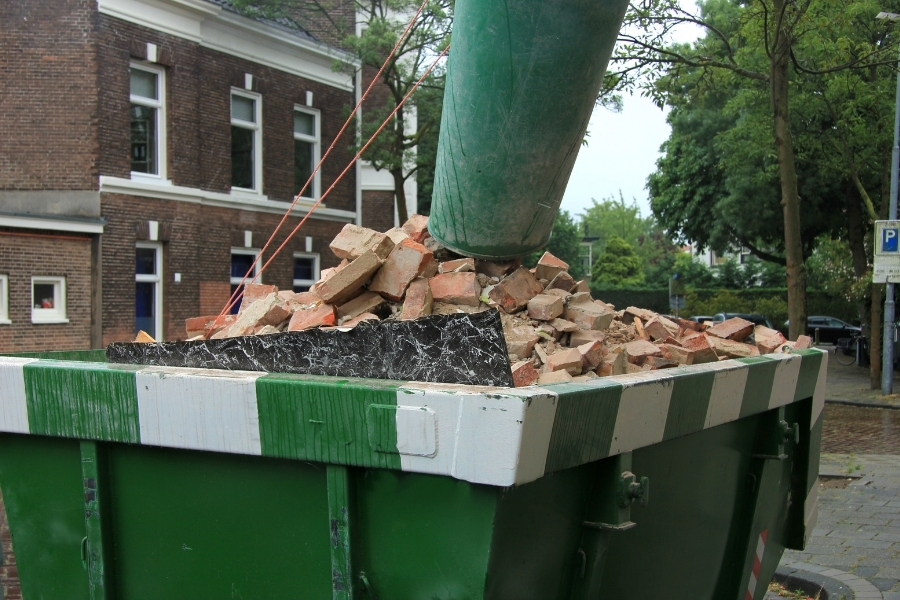
When it comes to renovation dumpster rentals, reliability matters.
With PIRATE DUMPSTERS, you get:
Whether you’re a homeowner or contractor, having a dependable partner makes your renovation easier.
Ready to get started? Request your free quote from PIRATE DUMPSTERS today and find the perfect dumpster for your renovation needs!
A standard kitchen renovation usually fits perfectly in a 20-yard dumpster.
A 10-yard dumpster is typically enough for tiles, fixtures, and drywall.
For large-scale work, a 30 or 40-yard dumpster is the best choice.
Choosing the right renovation dumpster rental size isn’t complicated—but it does require planning.
By understanding your project scope, estimating debris accurately, and considering weight limits, you can avoid unnecessary costs and delays.
When in doubt, go slightly bigger and consult professionals. PIRATE DUMPSTERS is always ready to help you make the right call so your renovation stays on track from start to finish.
Want more helpful tips, updates, and exclusive offers?
Follow PIRATE DUMPSTERS on Facebook, Instagram, and Google Business Profile to stay informed and make your next project even easier!
Q.How do I know which dumpster size is right for my renovation project?
Choosing the right dumpster size depends on three main factors: the type of renovation, the amount of debris, and the materials involved. For example, a small bathroom remodel may only require a 10-yard dumpster, while a full home renovation could need a 30–40 yard container.
It’s important to estimate your waste volume before booking. If you’re removing heavy materials like concrete or roofing shingles, a smaller dumpster is often better due to weight limits. On the other hand, bulky but lighter materials like furniture or drywall may require a larger container. When in doubt, many professionals recommend going one size up to avoid overflow or needing a second rental.
Q.What happens if I choose the wrong dumpster size?
Selecting the wrong dumpster size can lead to unnecessary costs and delays. If the dumpster is too small, you may need to order an additional container or schedule extra pickups, which increases your overall expense and slows down your project. On the flip side, choosing a dumpster that’s too large means you’re paying for unused space.
Many homeowners underestimate how much waste a renovation creates. Studies and industry data show that renovation debris can quickly exceed expectations, especially during demolition phases.
To avoid this, it’s always better to carefully assess your project scope or consult with a provider like Pirate Dumpsters to get a recommendation based on your specific job.
Q. Are there weight limits for dumpster rentals, and why do they matter?
Yes, every dumpster comes with a weight limit, and exceeding it can result in additional fees. Smaller dumpsters (like 10-yard containers) typically have lower weight limits but are better suited for heavy materials such as dirt, concrete, or bricks. Larger dumpsters hold more volume but still have weight restrictions to ensure safe transport.
Understanding weight limits is crucial because overloading a dumpster can make it unsafe to haul and may violate local regulations. To avoid extra charges, always discuss the type of waste you’ll be disposing of with your rental provider and follow their loading guidelines.
Q. Can I place a dumpster anywhere during my renovation?
You can usually place a dumpster on your private property, such as a driveway or construction site, without any issues. However, if you plan to place it on a public street, sidewalk, or shared space, you may need a permit from your local municipality.
Placement also affects the size you can choose. You’ll need enough space for delivery, typically around 60 feet of clearance and adequate height clearance for the truck.
Planning the placement in advance ensures smooth delivery and pickup, helping your renovation project stay on schedule without interruptions.
How to Find the Cheapest Dumpster Rental in California Without Hidden Fees