When you rent a dumpster, most people focus on size—10-yard, 20-yard, or 40-yard containers. But there’s another important factor that often gets overlooked: weight limits. Every dumpster rental comes with a specific weight allowance, and exceeding that limit can lead to unexpected fees, delays, and even safety concerns.
If you’re planning a cleanup, renovation, or construction project, understanding how dumpster weight limits work can save you money and keep your project running smoothly. In this guide, we’ll break down what happens when you go over the limit, why these limits exist, and how to avoid costly mistakes.
A dumpster’s weight limit refers to the maximum amount of debris (in tons) that can be safely loaded and transported. This limit is set based on:
For example, a typical 20-yard dumpster might include 2–4 tons of waste in the base price. If your debris exceeds that, you’ll likely be charged an overage fee per additional ton.
At Pirate Dumpsters, we always make sure customers know their included weight upfront so there are no surprises later.
You might wonder—why not just fill the dumpster as much as possible?
Here’s the reality: weight limits are not just about pricing. They exist for safety and compliance reasons.
Dumpster trucks are designed to carry a specific load. Exceeding that can:
Local and state transportation laws limit how much weight a vehicle can carry on public roads. Overloaded dumpsters can lead to:
Landfills also impose strict weight guidelines. Overloaded containers may be rejected or incur extra disposal fees.
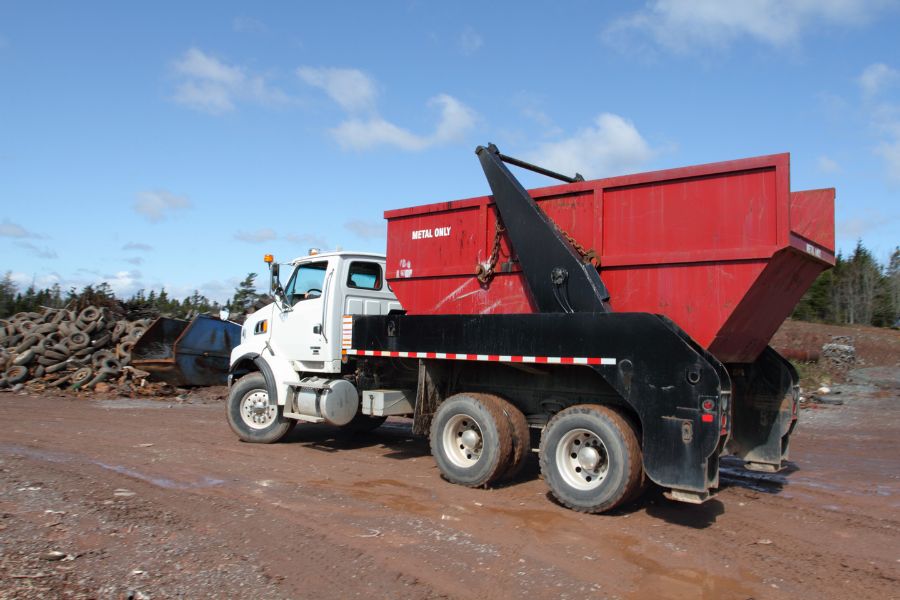
Going over the weight limit isn’t the end of the world—but it does come with consequences. Here’s what typically happens:
The most common result is additional fees. Dumpster companies charge per ton over the included weight.
For example:
These charges can add up quickly, especially with heavy materials like concrete or roofing shingles.
If your dumpster is overloaded, the driver may not be able to safely lift it. In some cases:
This can slow down your entire project timeline.
An overloaded dumpster isn’t just a financial issue—it can be dangerous. Risks include:
Keeping your load within limits helps protect workers, drivers, and the public.
Heavy dumpsters can damage:
If the weight exceeds safe limits, the pressure on the ground increases, which can lead to cracks or surface damage.
In extreme cases, if a dumpster is dangerously overloaded, the company may refuse to haul it until it’s adjusted. This means:
Not all waste is created equal. Some materials are much heavier than others and can quickly push you over the limit.
Heavy Materials:
Lighter Materials:
If your project involves heavy debris, it’s better to choose a smaller dumpster with a higher weight allowance or schedule multiple hauls.
Dumpster weight is measured at a landfill or transfer station using industrial scales.
Here’s how it works:
This process ensures accurate billing and transparency.
Avoiding extra charges is easier than you might think. Here are some practical tips:
Bigger isn’t always better. A large dumpster can hold more volume, but that doesn’t mean it can handle unlimited weight.
Talk to your provider—Pirate Dumpsters can help you select the right size based on your project.
Get a fast, no-obligation quote today—simple pricing, no hidden fees, and service you can trust.
Before renting, consider what you’re throwing away:
Being realistic about your waste helps prevent surprises.
Keep debris level with the top edge of the container.
Overfilling can:
If possible, separate heavy debris like concrete or dirt from lighter waste. This allows you to:
Always confirm:
At Pirate Dumpsters, we believe in clear pricing and no hidden fees.
Pirate Dumpsters offers multiple dumpster sizes to fit any project—big or small, we’ve got you covered.
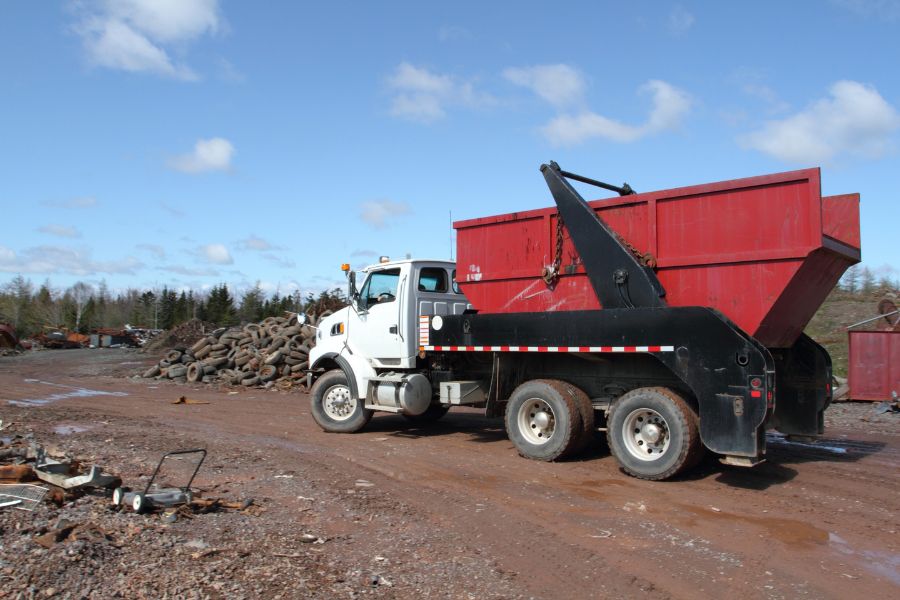
Sometimes, exceeding weight limits is unavoidable—especially for large construction or demolition projects.
In these cases, using multiple dumpsters can be more efficient because:
Let’s say you’re replacing a roof.
Roofing shingles are surprisingly heavy. A standard residential roof can easily weigh 2–3 tons or more.
If you use one dumpster and overload it:
But if you plan ahead and use the right dumpster:
At Pirate Dumpsters, we make dumpster rentals simple, transparent, and reliable. Whether you’re handling a home cleanout or a major construction project, we help you:
We believe that good service means no surprises and no hidden costs.
Exceeding dumpster weight limits can lead to extra charges, delays, and safety concerns—but it’s completely avoidable with the right planning.
By understanding how weight limits work, choosing the right dumpster, and being mindful of what you load, you can keep your project efficient and cost-effective.
If you’re unsure about your project’s needs, don’t guess—reach out to Pirate Dumpsters. Our team is here to guide you every step of the way and make sure you get the best solution for your cleanup.
Contact us today to book your dumpster and get expert advice tailored to your project.
Stay connected with us for more tips and updates—follow Pirate Dumpsters on Facebook, Instagram, and Google Business Profile!
Q: What is the typical weight limit for a dumpster?
Most dumpsters include 1 to 5 tons depending on size. Smaller dumpsters have lower limits, while larger ones allow more weight.
Q: How much does it cost if I exceed the weight limit?
Overage fees are usually charged per ton, and rates vary by location. It’s best to check with your provider before renting.
Q: Can I fill the dumpster above the top edge?
No, dumpsters should not be filled above the top. Overfilling can create safety issues and may result in additional charges or pickup refusal.
Q: What should I do if I think I’ll exceed the weight limit?
If you expect heavy debris, consider: