Home projects often create far more waste than expected. A garage cleanout can fill several pickup loads, while a kitchen remodel, flooring replacement, roofing project, or whole-home renovation can leave you with bulky materials that regular household trash service is not designed to handle.
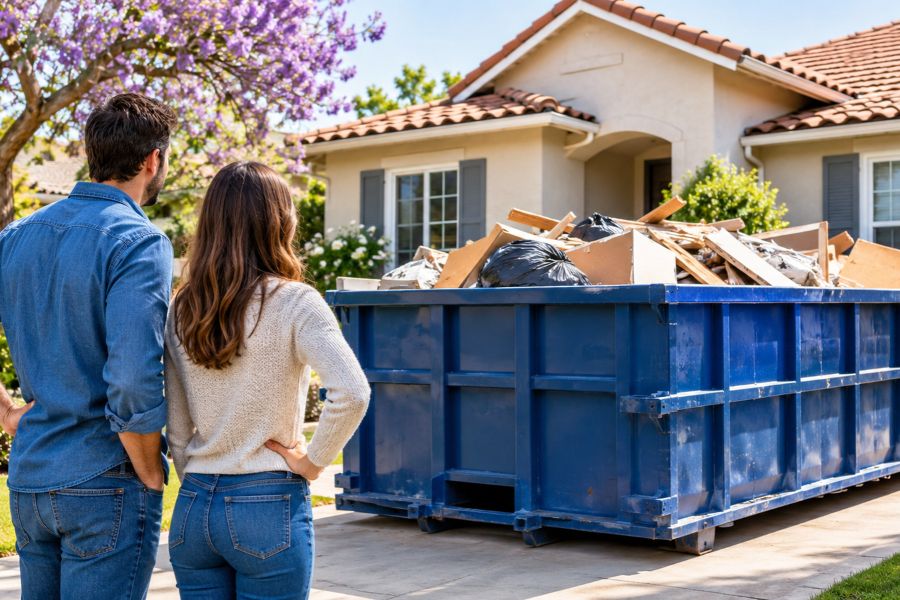
For Pasadena homeowners, a residential dumpster rental can provide a practical way to keep project debris contained, organized, and ready for removal. Instead of making repeated trips to disposal facilities or allowing debris to pile up around the property, you can have a dumpster delivered to a convenient location and removed when the project is finished.
This guide explains how residential dumpster rentals work, how to choose the right size, what materials can typically go inside, what affects the cost, and what Pasadena homeowners should consider before scheduling delivery.
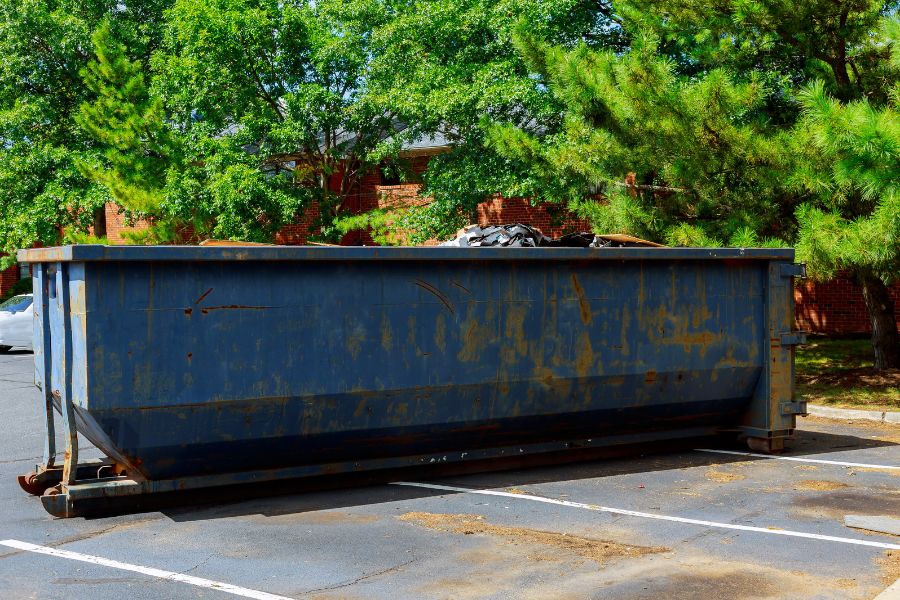
A residential dumpster is a temporary waste container delivered to your home for a specific project. You load the debris into the container during the rental period, and the provider picks it up when you are finished.
Unlike regular residential trash service, a temporary dumpster is designed for larger cleanup and renovation projects. It gives you a dedicated place to put construction debris, unwanted household items, yard materials, and other approved waste.
A dumpster can be useful when the amount of debris is too large for your normal trash containers but does not justify arranging multiple individual hauling trips.
You do not need a dumpster for every household cleanup. For a small amount of everyday waste, your regular residential collection service may be enough. Pasadena also provides bulky-item pickup for eligible residential refuse customers, although there are restrictions on the types and quantities of materials accepted.
A temporary dumpster becomes more useful when you have a concentrated amount of debris from a project.
Common situations include:
The main advantage is convenience. Instead of stopping work every few hours to transport debris away, you can continue the project and place approved materials directly into the container.
One of the most important decisions is choosing a container large enough for your project.
A dumpster that is too small can require an additional haul or exchange. A container that is much larger than necessary may cost more than you need to spend.
A 10-yard container can be a good choice for smaller residential projects.
It may work well for:
For homeowners who are unsure between two sizes, think about the total volume of material rather than simply the number of items.
A 20-yard dumpster is often suitable for medium-sized residential projects.
It can be useful for:
This size provides more room when the project is expected to generate several pickup loads of material.
A 30-yard dumpster is better suited to larger home projects where substantial amounts of debris will be produced.
It may be appropriate for:
A 40-yard container is generally intended for the largest residential or construction-related projects.
It may be appropriate when you are dealing with:
However, size alone should not determine your choice. The type and weight of the material matter too.
How to Estimate the Dumpster Size You Need
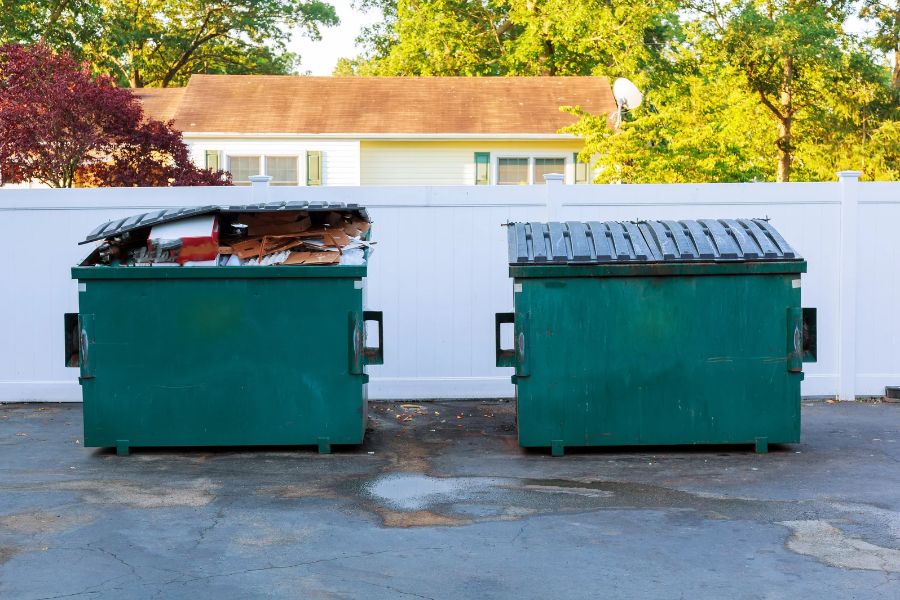
Before ordering, walk through your project and make a rough list of everything that will be removed.
For example, a bathroom remodel may generate old cabinets, flooring, drywall, fixtures, and other debris. A garage cleanout might involve furniture, boxes, shelving, and household items.
Try to estimate the amount of debris in cubic yards. If that is difficult, describe your project to the dumpster provider and provide details such as:
An experienced dumpster provider can use this information to recommend an appropriate container.
The exact list of accepted materials depends on the dumpster provider and disposal facility, so homeowners should always confirm the rules before loading the container.
Commonly accepted residential materials may include:
The important point is that “residential dumpster” does not mean every type of household waste is automatically accepted.
Certain materials require special handling and should not simply be placed inside a standard dumpster.
Examples can include:
Pasadena’s own 3-cubic-yard temporary bins, for example, do not accept construction materials, electronic waste, or household hazardous waste. The city’s bulky-item service also excludes several categories, including e-waste, construction and roofing materials, hazardous household products, and certain landscaping materials.
Because disposal rules vary by service and material, confirm your accepted-material list before delivery.
Heavy materials deserve special attention.
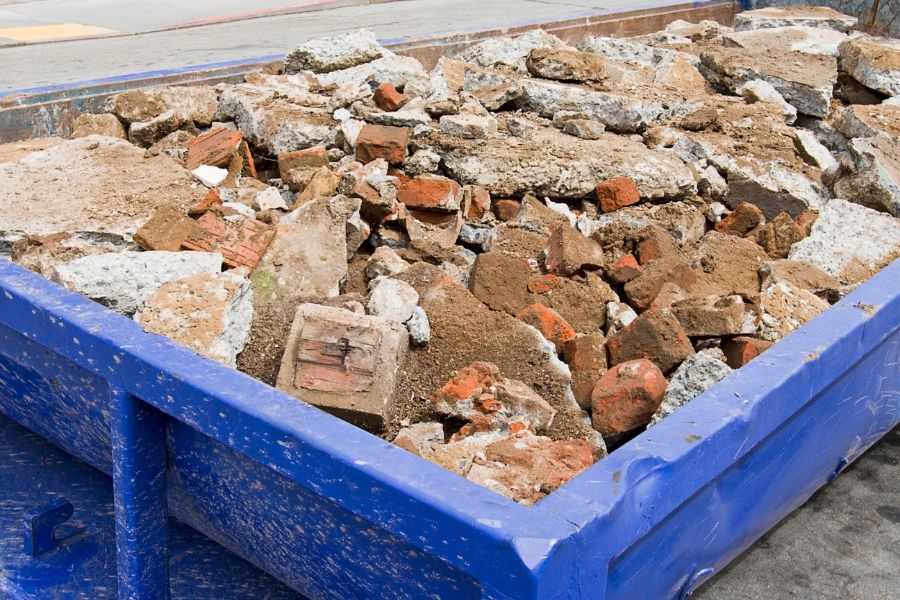
Concrete, dirt, asphalt, brick, tile, and similar materials can become extremely heavy even when they do not fill the entire dumpster. A container that looks only partially full may still exceed its allowable weight.
If your project involves large quantities of heavy debris, tell the dumpster company before ordering. The provider may recommend a specific container, loading limit, or disposal arrangement.
Never assume that filling a dumpster to the top is acceptable simply because there is physical space remaining.
The rental process is generally straightforward.
1. Describe Your Project
Start by explaining what you are cleaning or remodeling. Mention the material type, estimated amount, project duration, and property location.
2. Select a Dumpster
Choose a container based on the volume and type of debris.
3. Arrange the Delivery
The dumpster is scheduled for delivery to your property. Before the truck arrives, make sure the planned placement area is accessible.
4. Load the Dumpster
Place approved materials inside the container. Distribute heavy material evenly rather than creating one extremely heavy section.
5. Complete the Cleanup
Continue loading during the agreed rental period while keeping the material safely contained.
6. Schedule Pickup
When the project is finished, contact the provider or follow the agreed pickup process. The dumpster is then hauled away for disposal or processing.
Placement can make a major difference to your project.
A driveway is often the most convenient location because it keeps the dumpster close to the work area while avoiding unnecessary obstruction of the property.
Before delivery, consider:
Protecting the driveway can also be worthwhile. Ask the provider whether boards or other protective measures are recommended beneath the container.
If you plan to place the dumpster on a public street or other public right-of-way, check with the appropriate Pasadena department about permits or placement requirements before delivery.
A dumpster itself and the construction project are separate issues.
If you are placing a container in a location that affects public space, you may need to check local requirements. More importantly, the home improvement work itself may require permits.
Pasadena states that most construction projects require a building permit, while some work that is exempt from a building permit may still require a zoning permit.
For projects involving construction or demolition, Pasadena also has specific waste-management requirements. Certain projects must divert at least 75% of waste through recycling, salvage, or deconstruction, and the required C&D process may need to be completed before debris is hauled.
This is particularly important for larger remodeling, addition, and demolition projects.
There is no single price that applies to every residential dumpster rental.
The final cost can depend on:
For this reason, a low advertised price does not always represent the final cost.
When requesting a quote, ask whether the price includes delivery, pickup, disposal, the rental period, and any applicable weight allowance. Also ask about additional-day charges and potential overage fees.
A clear quote makes it easier to compare providers without being surprised by additional charges later.
 How Long Can You Keep a Dumpster?
The rental period depends on the provider and the project.
A short rental may be enough for a weekend cleanout, while a remodeling project may require the container for longer.
When booking, estimate how long the work will take rather than choosing a rental period based only on the amount of debris. If your project takes longer than expected, ask about extending the rental before the original pickup date.
If you know the project will happen in stages, discuss the schedule with the provider. This can help prevent the dumpster from sitting unused or being removed before the work is complete.
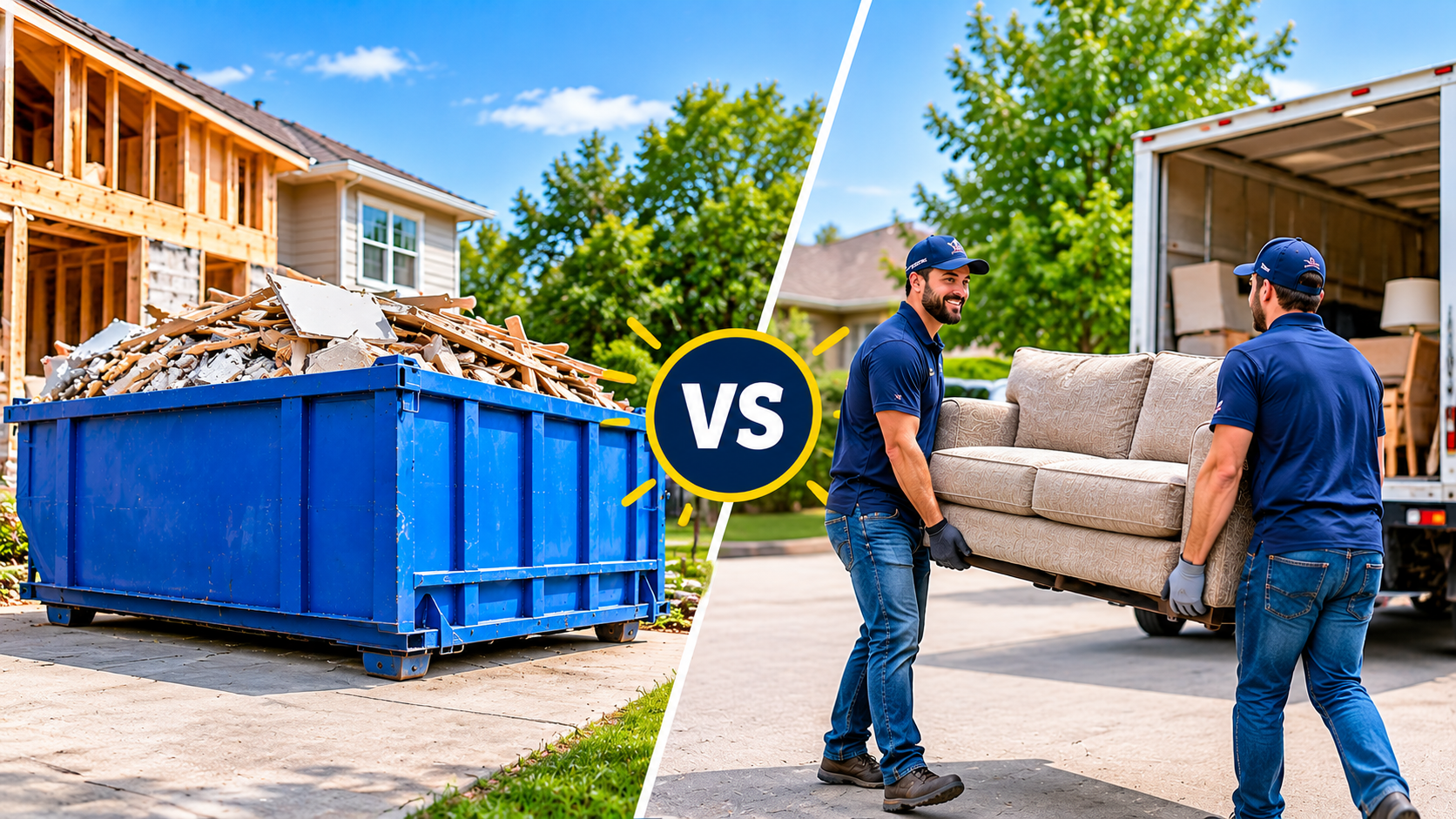
These services are useful for different situations.
With a dumpster rental, the container is delivered to your property and you load it yourself. This is often practical when you are doing the cleanup gradually over several days.
With full-service junk removal, workers typically arrive, load the unwanted items, and haul them away. That can be more convenient when you do not want to handle the lifting or sorting yourself.
A simple way to decide is:
Choose a dumpster when:
You are managing the cleanup yourself and need a container available throughout the project.
Choose junk removal when:
You want someone else to handle the loading, hauling, and cleanup.
For larger remodeling projects, a dumpster can provide a convenient ongoing place for approved debris.
A few simple habits can help you get more value from the container.
Break Down Bulky Items
Disassemble furniture, cabinets, and other large items when practical. This can create more usable space.
Load Evenly
Distribute heavier materials throughout the container instead of putting everything in one area.
Keep Debris Below the Fill Line
Do not overfill the container. Materials should remain within the provider’s loading requirements so they can be safely transported.
Separate Restricted Materials
If you discover hazardous or restricted materials during a cleanup, do not automatically put them into the dumpster. Set them aside and determine the appropriate disposal method.
Plan the Delivery Location
Choose the placement area before delivery day. Moving items around afterward can create unnecessary work and may not be possible once the container is loaded.
Ask Questions Before Ordering
Confirm the size, rental period, accepted materials, weight restrictions, delivery conditions, pickup process, and additional charges before agreeing to the rental.
Home renovations can generate debris continuously.
A kitchen remodel may produce cabinets, countertops, flooring, drywall, packaging, and other materials. A bathroom renovation can create tile, fixtures, drywall, flooring, and old cabinetry.
Instead of allowing the debris to accumulate around the property, a properly sized dumpster gives the crew or homeowner one central location for approved waste.
For larger projects, homeowners should also understand Pasadena’s construction and demolition requirements. The city identifies residential additions, certain residential alterations or remodels, demolitions, and other project types as subject to C&D approval requirements. cityofpasadena.net
If your project falls into one of these categories, check the city’s current requirements before work begins.
Not every dumpster project involves construction.
A garage cleanout, move, estate cleanup, or property preparation project can create a surprisingly large volume of unwanted items.
A dumpster can be useful because you can work through the property room by room without needing to schedule a separate hauling trip for every load.
Before loading, sort items into useful categories:
This approach can reduce unnecessary disposal and make the cleanup more organized.
Landscaping projects can produce branches, vegetation, soil, and other materials. However, yard waste rules can vary depending on the service.
Pasadena’s regular bulky-item program specifically excludes materials such as dirt, sand, gravel, large branches and stumps, bushes, and railroad ties. cityofpasadena.net
If your landscaping project involves a significant amount of material, confirm what your dumpster provider accepts before ordering. This is especially important when the project includes heavy soil, rocks, concrete, or other dense materials.
Preparation can prevent delivery problems.
Before the truck arrives:
If you are unsure whether a dumpster can fit, provide the rental company with photographs or measurements of the proposed location before delivery.
The container is only one part of the rental.
A reliable provider should clearly explain what is included in the price, which materials are accepted, how long you can keep the dumpster, and what happens when you are ready for pickup.
Look for straightforward answers about:
Clear communication at the beginning can prevent many of the problems homeowners encounter during a project.
Before scheduling your Pasadena residential dumpster rental, make sure you can answer these questions:
Taking a few minutes to answer these questions can make the entire rental process easier.
A residential dumpster can make a Pasadena home cleanup, renovation, remodeling project, or property cleanout much easier to manage. The key is choosing the right size, understanding which materials are permitted, preparing the delivery area, and knowing the rental terms before the container arrives.
For larger construction or remodeling projects, it is also important to check Pasadena’s current permit and construction-and-demolition requirements so your waste handling stays consistent with local rules.
If you are planning a home cleanup or renovation, Pirate Dumpsters can help you find a practical dumpster solution for your project. Contact us to discuss your debris type, estimated volume, rental timeframe, and delivery requirements so you can choose the right container and keep your project moving without unnecessary cleanup delays.
1. What size dumpster should I rent for a home cleanout in Pasadena?
The right size depends on how much material you expect to remove. A 10-yard dumpster may work for a small cleanout, while 20-, 30-, or 40-yard containers are better suited to progressively larger renovation, demolition, or whole-property cleanup projects. When in doubt, describe your project and estimated debris to the rental provider before ordering.
2. Can I put construction debris in a residential dumpster?
Construction debris may be accepted by some dumpster providers, but acceptance depends on the material and rental service. Pasadena also has C&D waste-management requirements for certain projects, including specific residential additions, remodels, and demolitions. Always confirm accepted materials before loading the dumpster.
3. Can I place a dumpster on the street in Pasadena?
Street placement may involve local requirements or permits depending on the location and circumstances. Before placing a dumpster on a public street or right-of-way, check with the appropriate City of Pasadena department and confirm the requirements with your dumpster provider.
4. How can I avoid extra dumpster rental charges?
Start by choosing an appropriate container size, confirming the included rental period, understanding weight limits, and asking about additional-day or overage charges before delivery. You should also keep prohibited materials out of the dumpster and avoid overfilling it. A detailed quote can help you understand the expected total cost before the project begins.