Construction projects are often planned around materials, labor, equipment, and schedules, but waste management can also have a noticeable impact on the overall budget. When construction debris is not handled efficiently, contractors may spend more on labor, transportation, disposal fees, and project delays.
An efficient dumpster rental strategy can help keep these costs under control. Choosing the right dumpster size, scheduling deliveries and pickups properly, and keeping waste organized can make cleanup faster and reduce unnecessary hauling.
Whether you are managing a home renovation, roofing project, commercial build-out, demolition, or large-scale construction job, the right dumpster can make waste handling easier from start to finish.
Construction debris takes up valuable space and can quickly become a problem when it is not removed regularly. Piles of lumber, drywall, roofing materials, packaging, concrete, and other debris can make a jobsite harder to navigate.
When workers have to move debris multiple times or stop work to deal with overflowing waste, productivity can suffer. Extra hauling trips can also increase transportation and disposal expenses.
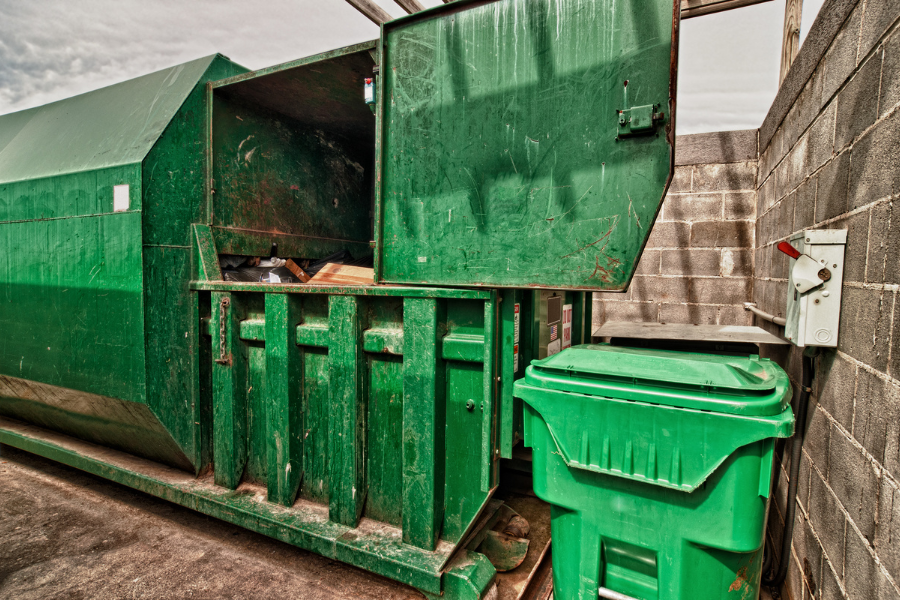
A properly planned dumpster rental gives contractors a designated place for jobsite waste. Instead of allowing debris to accumulate around the property, workers can move materials directly into the container as the project progresses.
This simple change can help create a cleaner, safer, and more organized work area while reducing unnecessary handling.
1. Choose the Right Dumpster Size
One of the most important ways contractors can control dumpster costs is by selecting a container that matches the project’s waste volume.
A dumpster that is too small may fill up before the project is finished. That can lead to additional pickups or the need to rent another container. On the other hand, renting a container that is much larger than necessary may result in paying for unused capacity.
Contractors should estimate the amount and type of debris the project will generate before ordering.
For example:
The goal is not simply to choose the largest available dumpster. It is to choose a size that provides enough capacity without paying unnecessarily for space that will not be used.
2. Reduce Extra Hauling Trips
Transportation is one of the hidden costs associated with construction waste.
If a dumpster fills too quickly, contractors may need additional pickups or replacement containers. Every extra trip can affect the project budget and schedule.
Planning the dumpster size around the expected debris volume can reduce the likelihood of unnecessary hauling.
For longer projects, scheduled dumpster swaps can also be useful. Instead of waiting until a container is completely full and creating a cleanup bottleneck, contractors can arrange for a full dumpster to be removed and replaced with an empty one at a planned time.
This keeps waste moving without interrupting the workflow.
3. Schedule Delivery Around the Project Timeline
Timing matters just as much as dumpster size.
Having a dumpster delivered too early can create unnecessary rental time. Having it delivered too late can leave workers without a convenient place to dispose of debris.
Contractors should coordinate dumpster delivery with the project’s actual start date and expected cleanup schedule.
For example, a demolition project may need the dumpster available before tear-out begins. A roofing contractor may want the container positioned before old roofing materials are removed. A remodeling project may benefit from a container arriving shortly before demolition and staying available through the major debris-producing stages.
Good scheduling helps contractors avoid paying for idle equipment while also preventing work delays caused by a missing container.
4. Keep the Jobsite Organized
A dumpster is most useful when workers can easily access it.
If the container is placed too far from the work area, employees may spend additional time carrying debris back and forth. Over the course of a large project, those extra minutes can become hours of labor.
Whenever site conditions allow, place the dumpster in a practical location that provides safe access for workers and delivery vehicles.
Contractors should also consider:
Efficient placement can reduce unnecessary movement and make cleanup part of the normal workflow.

5. Separate Materials When Practical
Not every construction project produces the same type of waste, and some materials may have different disposal requirements.
Keeping materials organized can make disposal more efficient. Depending on the project and local disposal rules, contractors may be able to separate certain materials for recycling or specialized handling.
For example, clean cardboard, scrap metal, concrete, green waste, and mixed construction debris may have different handling requirements.
Before loading a dumpster, contractors should confirm which materials are permitted in the container. Some items may be prohibited or require special disposal arrangements.
Proper separation can help prevent rejected loads, additional handling charges, and delays.
6. Avoid Overloading the Dumpster
An overloaded dumpster can create safety and transportation problems.
Debris should remain within the container’s designated fill level. Items should not be piled above the top or extend beyond the sides.
Overloading may result in the container being unable to leave the jobsite until the excess material is removed. That can cause additional labor and scheduling problems.
Contractors should also remember that certain heavy materials may have weight restrictions even when there appears to be room left inside the container.
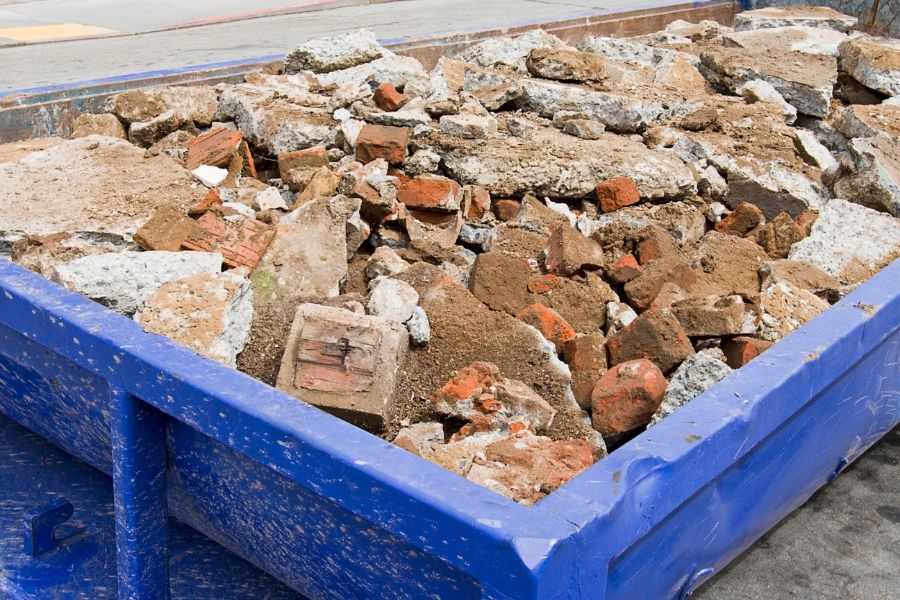
For materials such as concrete, brick, asphalt, dirt, or other dense debris, always confirm the rental company’s size and weight requirements before loading the dumpster.
7. Understand What Is Included in the Rental
The cheapest advertised dumpster rate is not always the lowest overall project cost.
Contractors should understand what the rental price includes before scheduling a container. Important details may include the rental period, included weight or tonnage, delivery fees, pickup charges, disposal costs, additional-day charges, and prohibited materials.
A clear understanding of the pricing structure makes it easier to estimate the actual waste-management cost.
For example, if a project is expected to last several weeks, knowing the included rental period and daily extension charges can help contractors budget accurately.
Transparent pricing also makes it easier to compare dumpster options based on the total expected cost rather than the initial advertised rate alone.
8. Match Dumpster Swaps to Project Phases
Large projects often produce different amounts of debris during different stages.
A contractor may generate a large volume of material during demolition, followed by smaller amounts during framing, installation, finishing, and cleanup.
Instead of using the same dumpster strategy throughout the entire project, contractors can adjust their waste plan according to each phase.
For example, a demolition phase may require frequent pickups because of the volume of material being removed. Once demolition is complete, the contractor may need fewer swaps.
Planning around project phases can prevent containers from sitting unused while also ensuring enough capacity during high-volume work.
9. Reduce Labor Spent Handling Debris
Labor is one of the largest expenses on many construction projects. Waste management can affect labor costs when workers spend too much time moving, sorting, or repeatedly handling debris.
A conveniently placed dumpster allows workers to dispose of material as they work instead of creating temporary debris piles that must later be moved again.
This can improve workflow and reduce unnecessary handling.
For example, during a kitchen renovation, workers can move removed cabinets, flooring, drywall, and other approved debris directly into the dumpster instead of stacking materials in multiple locations around the property.
The fewer times debris needs to be handled, the more efficiently the cleanup process can operate.
10. Prevent Cleanup From Delaying the Project
Construction schedules are often tightly coordinated. A delay in one stage can affect several others.
Waste buildup can become a scheduling issue when there is no available space to continue demolition or construction. Workers may have to stop and clear the site before continuing.
Regular dumpster service can help prevent this problem.
For projects with predictable debris production, contractors can arrange pickup or replacement schedules in advance. This creates a more predictable waste-management process and reduces the chance that a full container will become a project bottleneck.
11. Protect the Jobsite From Unnecessary Clutter
A clean jobsite is easier to work in.
When construction debris is scattered around the property, workers may spend more time navigating around materials and equipment. It can also make it harder to locate tools, supplies, and usable materials.
Keeping waste contained in a dumpster helps maintain a more organized work environment.
While a dumpster alone cannot eliminate all jobsite hazards, proper waste management supports better housekeeping and can make routine cleanup easier for the crew.
Waiting until debris becomes a problem is usually not the most efficient approach.
Before work begins, contractors should estimate:
Answering these questions early makes it easier to create a waste-management plan that fits the project schedule and budget.
The financial benefit of proper dumpster planning is not limited to the rental price.
A well-managed dumpster rental can help control several different costs at the same time:
Lower transportation costs: Fewer unnecessary hauling trips can reduce waste-related transportation expenses.
Lower labor costs: Workers spend less time moving debris multiple times.
Fewer project interruptions: Timely pickups and swaps help prevent full containers from stopping work.
Better jobsite organization: Keeping debris contained makes the site easier to manage.
More predictable budgeting: Understanding rental terms and disposal requirements reduces unexpected charges.
Improved scheduling: Dumpster delivery and pickup can be coordinated with the project’s major phases.
When these savings are combined, efficient waste management can have a meaningful effect on the total project budget.
Even experienced contractors can run into problems when dumpster planning is left until the last minute.
One common mistake is choosing a dumpster based only on price. A cheaper container that is too small may ultimately cost more because of additional rentals or pickups.
Another mistake is failing to confirm accepted materials. Certain waste types may have restrictions, and placing prohibited materials in a container can create disposal problems.
Contractors should also avoid assuming that all heavy materials can be loaded without weight limitations. Dense materials can quickly reach the container’s weight limit.
Finally, avoid waiting until the dumpster is overflowing before scheduling service. Advance planning gives the rental company more flexibility and helps keep the project moving.
Dumpster rental is more than simply having a container delivered to a construction site. When planned properly, it becomes part of the project’s overall cost-control strategy.
Choosing the correct size, scheduling delivery and pickups around the construction timeline, placing the container efficiently, organizing materials, and understanding rental terms can help contractors reduce unnecessary labor, hauling, disposal, and downtime.
If you are planning a construction, renovation, roofing, demolition, or property cleanup project, Pirate Dumpsters can help you choose a dumpster option based on your project’s debris and schedule. Contact us to discuss your project, request pricing, and arrange delivery when you need it.
1. How can dumpster rental help contractors save money?
A properly planned dumpster can reduce unnecessary hauling trips, labor spent moving debris, and delays caused by overflowing waste. Choosing the right size and scheduling pickups around the project can help control overall waste-management costs.
2. What dumpster size is best for a construction project?
The appropriate size depends on the project’s scope and the type and volume of debris. Smaller renovations may require a smaller container, while larger remodeling, construction, or demolition projects may need 20-, 30-, or 40-yard options.
3. How often should contractors schedule dumpster pickups?
Pickup frequency depends on how quickly the project produces debris. High-volume demolition or construction work may require frequent swaps, while smaller projects may only need one pickup. Planning pickups around project phases can help prevent unnecessary downtime.
4. What should contractors check before renting a dumpster?
Contractors should confirm the dumpster size, rental period, included weight limits, accepted materials, prohibited items, placement requirements, delivery and pickup schedule, and any additional charges. Confirming these details in advance helps prevent unexpected costs.
How to Find the Cheapest Dumpster Rental in California Without Hidden Fees