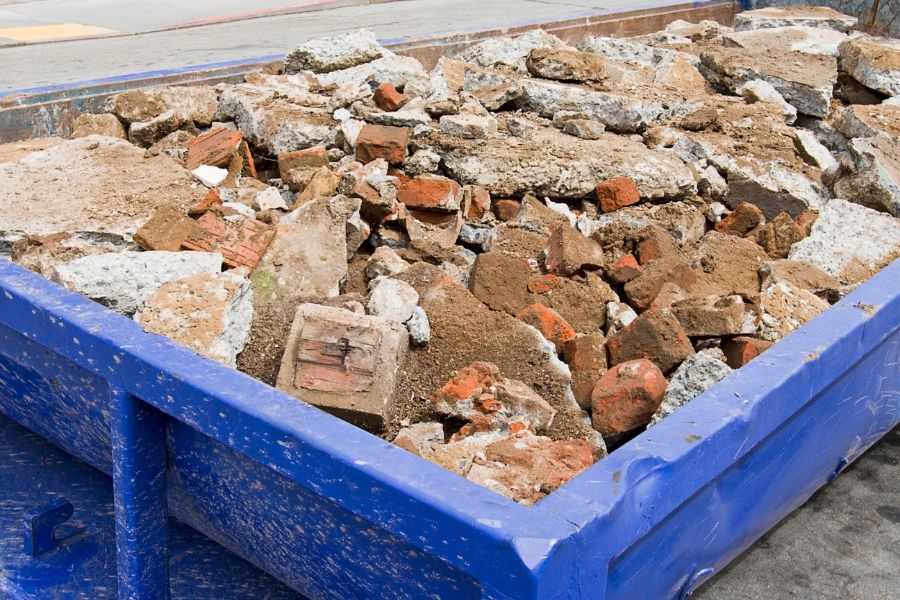

Choosing the right dumpster can make a major difference in how smoothly a cleanup, renovation, roofing job, demolition project, or property cleanout goes. The wrong container may leave you with too little space, unnecessary costs, or debris that cannot be loaded safely. Choosing correctly helps keep the work area organized and makes debris removal easier from start to finish.
The best dumpster depends on the type of material, amount of debris, project size, available space, rental period, and local disposal requirements. A small residential cleanout may only need a compact container, while a roof replacement or demolition project can quickly generate several tons of material.
This guide explains how to choose a dumpster for different projects and what to consider before scheduling delivery.
A dumpster is more than just a container for throwing away unwanted materials. Its size and design need to match the debris being generated.
If you rent a container that is too small, you may need an additional delivery or pickup before the project is finished. That can interrupt your work and increase the overall cost. On the other hand, renting a much larger dumpster than necessary can mean paying for unused capacity.
The goal is to select a container that provides enough room for your debris without exceeding weight limits or creating loading problems.
Before ordering, consider:
Dumpster sizes are generally measured in cubic yards. The number refers to the approximate volume of debris the container can hold.
Common options include 10-yard, 20-yard, 30-yard, and 40-yard dumpsters. Some providers may also offer smaller containers for limited residential projects.
A 10-yard dumpster can work well for smaller projects where the debris volume is limited.
It may be suitable for:
A 10-yard container is also useful when driveway or property space is limited.
A 20-yard dumpster provides more capacity for medium-sized projects without taking up as much space as a larger container.
It can be a practical choice for:
For many residential remodeling projects, a 20-yard dumpster provides a useful balance between capacity and footprint.
A 30-yard dumpster is generally better suited to larger renovation, roofing, construction, and property cleanup projects.
It may be appropriate for:
The additional capacity can reduce the need for multiple dumpster swaps when the project produces a substantial amount of debris.
A 40-yard dumpster is typically used for large-scale jobs that generate significant amounts of bulky debris.
It can be useful for:
Because the container is larger, you should confirm that the property has sufficient room for delivery and safe loading.
Roofing projects create a unique type of debris because roofing materials can be bulky and surprisingly heavy. Shingles, underlayment, roofing felt, damaged wood, flashing, and other materials can quickly fill a container.
For a roofing project, estimate the size of the roof and the type of roofing material being removed before selecting a dumpster.
Consider Roof Size
The size of the roof is one of the most useful starting points when estimating dumpster requirements. A small garage roof replacement will produce much less waste than a large multi-section residential roof.
Your roofing contractor or dumpster provider may be able to help estimate the expected debris volume based on the roof dimensions and materials.
Consider Weight
Roofing debris can become heavy quickly. Asphalt shingles, in particular, can create significant weight even when they do not completely fill a container.
This means you should consider both volume and weight. A dumpster that appears to have plenty of room may still reach its weight limit.
Keep Roofing Debris Contained
Roofing materials should be loaded carefully rather than piled above the top edge of the container. Overloading can create transportation and safety problems.
Ask your dumpster provider about acceptable fill levels and weight restrictions before beginning the project.
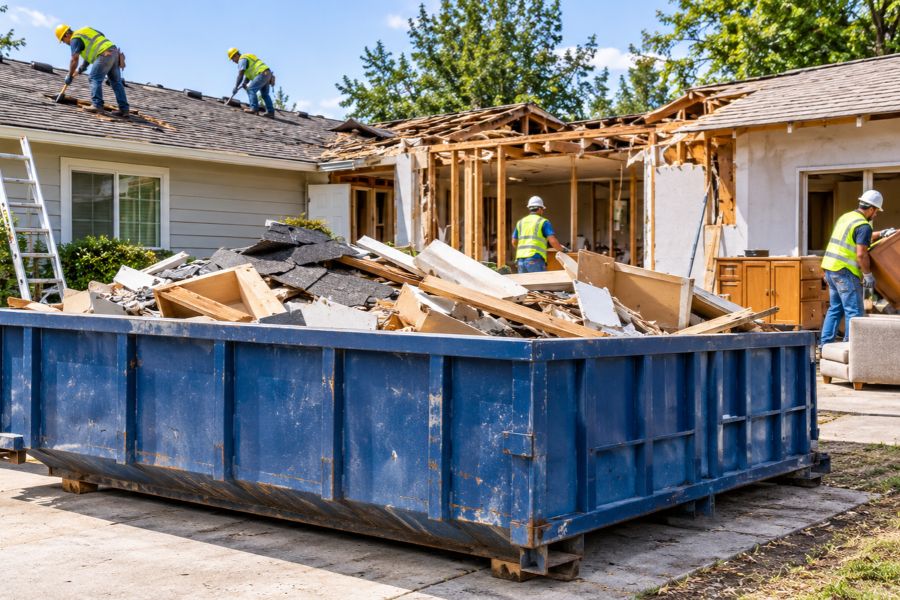
How to Choose a Dumpster for Remodeling
Remodeling projects can produce many different types of debris. Depending on the project, you may remove drywall, cabinets, flooring, wood, fixtures, countertops, doors, and other construction materials.
A good starting point is to estimate how many rooms will be renovated.
Small Remodeling Project
For a bathroom, small kitchen update, flooring replacement, or single-room renovation, a smaller dumpster may be sufficient.
Medium Remodeling Project
For several rooms or a larger kitchen renovation, a 20-yard or similar container may provide more practical capacity.
Large Remodeling Project
Whole-house renovations can generate a significant amount of debris. A 30-yard or 40-yard container may be more appropriate, particularly if walls, flooring, cabinets, drywall, or other large components are being removed.
Because remodeling debris varies widely, discussing the project with the dumpster provider before delivery can help prevent underestimating the required capacity.
Demolition projects require extra planning because they can generate large quantities of heavy and bulky materials.
Examples include:
Volume Is Not the Only Concern
A demolition project may generate enough debris to fill a large container, but heavy materials can also create weight concerns.
Concrete, brick, asphalt, soil, and other dense materials should not automatically be placed in a standard mixed-debris dumpster without confirming the provider’s rules.
Some materials may require a specific container, lower fill level, or separate disposal arrangement.
Plan Demolition in Stages
For larger demolition jobs, it can be more efficient to schedule dumpster service around the phases of work.
For example, you may need one container during interior demolition and another during later construction. Coordinating deliveries and pickups can help keep the jobsite organized.
Cleanouts are common for homeowners, landlords, property managers, estate administrators, and businesses.
Unlike roofing or demolition, cleanouts can contain a mixture of bulky household and property-related items.
Common examples include:
Start by determining how much material is being removed. A single-bedroom cleanout may require much less capacity than clearing an entire house, garage, attic, and basement.
For larger property cleanouts, a 20-yard, 30-yard, or 40-yard dumpster may be more practical than repeatedly filling smaller containers.
Furniture can take up considerable space. Sofas, cabinets, tables, mattresses, and other large items may leave empty areas between objects.
When estimating dumpster capacity, account for this lost space rather than assuming the debris will pack down efficiently.
| Dumpster Size | Common Uses |
|---|---|
| 10-yard | Small cleanouts, minor repairs, small remodeling |
| 20-yard | Medium renovations, cleanouts, roofing projects |
| 30-yard | Large remodeling, major cleanouts, larger roofing jobs |
| 40-yard | Large demolition, construction, commercial projects |
These are general guidelines rather than fixed rules. The right size depends on the actual material, volume, weight, and site conditions.
The amount of debris isn’t the only factor. What you’re throwing away matters just as much.
Light materials such as cardboard and some household items may take up substantial space without weighing as much. Dense materials such as concrete, brick, soil, and asphalt can reach weight limits much faster.
Before renting, provide the dumpster company with a clear description of the materials you expect to dispose of.
If your project involves unusual, heavy, restricted, or potentially hazardous materials, ask about disposal requirements before ordering the container.
You also need to determine where the dumpster will be placed.
The delivery location should provide enough room for the truck and container. The area should also allow workers to load debris safely.
Consider:
Avoid placing the dumpster where it blocks emergency access or creates unnecessary hazards.
If the container will be placed on a street or other public area, check whether local permission or a permit may be required.
The rental period should match your project schedule.
A short cleanout may only require a few days, while a remodeling or demolition project may take longer. It is better to estimate the timeline before delivery rather than waiting until the dumpster is nearly full.
If your project runs behind schedule, contact the provider before the scheduled pickup date. Depending on the rental agreement, additional days may be available for an extra charge.
For Pirate Dumpsters, rental terms should be confirmed when you place the order so you understand the included rental period and any applicable additional-day charges.
One of the most common mistakes is assuming that you can fill the dumpster above the top edge.
You should generally keep debris level with the container’s top unless your provider specifically gives different instructions.
Overloaded dumpsters can create hazards during transportation. Loose materials can fall from the container, creating risks for drivers, pedestrians, and other road users.
Instead of piling debris higher, consider upgrading to a larger dumpster or arranging an additional pickup.
You can make your dumpster more efficient by thinking about loading before the project begins.
Place larger, flatter materials strategically instead of randomly throwing everything into the container. Break down bulky items when permitted and practical. This can help create more usable space.
However, do not dismantle or alter materials in a way that creates unnecessary hazards.
For heavy materials, follow the dumpster provider’s loading instructions rather than trying to maximize every inch of available space.
Dumpster rules vary by provider and location. Certain materials may be prohibited or require special handling.
Common restricted categories can include:
The exact list depends on the disposal facility and local requirements.
Always confirm prohibited materials before loading the dumpster. Do not assume that an item is acceptable simply because it fits inside the container.
A single dumpster may not always be the best solution for a large project.
Multiple containers or scheduled swaps can make sense when:
For contractors, coordinating dumpster delivery and pickup with project phases can help reduce downtime and keep debris under control.
Choosing Based Only on Price
The cheapest dumpster is not always the most economical choice. A smaller container that requires an additional delivery may cost more overall than choosing the correct size from the beginning.
Ignoring Weight
This is especially important for roofing, demolition, masonry, and other projects involving dense materials.
Waiting Until the Last Minute
During busy periods, preferred delivery dates may not always be available. Scheduling ahead can make project planning easier.
Failing to Check Placement Requirements
A dumpster that cannot be safely delivered to the intended location can create unnecessary delays.
Mixing Restricted Materials With General Debris
Always confirm the disposal rules before adding questionable materials.
Underestimating Bulky Waste
Furniture, cabinets, mattresses, and other large items can consume more space than expected.
If you’re unsure which size to choose, use this process:
Step 1: Identify the project.
Determine whether you’re handling roofing, remodeling, demolition, construction, or a cleanout.
Step 2: List the materials.
Write down the major types of debris that will be removed.
Step 3: Estimate the volume.
Consider the number of rooms, roof size, demolition area, or amount of property being cleaned.
Step 4: Consider weight.
Determine whether the debris contains heavy materials that may reach weight limits quickly.
Step 5: Check the property.
Identify where the dumpster can be placed and whether there is enough room for delivery.
Step 6: Confirm rental terms.
Understand the rental period, pickup schedule, additional-day charges, and any other applicable fees.
Step 7: Ask about restricted materials.
Confirm what can and cannot be placed in the container before the project starts.
Choosing the right dumpster for roofing, remodeling, demolition, or cleanouts comes down to more than simply picking the largest container available. You need to consider the project’s debris volume, material weight, available space, rental period, loading requirements, and disposal rules.
A properly sized dumpster can help keep your property or jobsite cleaner, reduce interruptions, and make debris management easier. When you’re uncertain about the size, material restrictions, or placement requirements, speaking with a dumpster rental provider before delivery can help you make a more practical choice.
If you’re planning a home cleanout, roofing job, remodeling project, demolition, or construction cleanup, contact Pirate Dumpsters to discuss your project and dumpster requirements. Our team can help you choose a suitable container based on the type and amount of debris you expect to remove.
1. What size dumpster do I need for a home cleanout?
The appropriate size depends on how much material you’re removing. A small cleanout may fit in a 10-yard dumpster, while a whole-house, garage, attic, or estate cleanout may require a 20-yard, 30-yard, or larger container.
2. What size dumpster is best for a roofing project?
A 20-yard or 30-yard dumpster may work for many residential roofing projects, but the correct size depends on roof dimensions, roofing materials, and the amount of tear-off debris. Roofing waste can also become heavy, so weight limits should be confirmed before ordering.
3. Can I use a dumpster for remodeling debris?
Yes. Dumpsters are commonly used for remodeling debris such as drywall, flooring, cabinets, wood, fixtures, and other permitted construction materials. Always verify the provider’s material restrictions before loading.
4. What dumpster size is best for demolition?
Large demolition projects often require 30-yard or 40-yard dumpsters because they generate substantial amounts of debris. However, heavy materials such as concrete, brick, soil, and asphalt may have special requirements.
5. Can I put concrete or dirt in a dumpster?
Not necessarily. Dense materials can quickly exceed weight limits and may require special handling or a specific container. Confirm the rules with your dumpster provider before placing concrete, dirt, asphalt, or similar materials inside.
6. How do I know if my dumpster is too small?
If you expect the container to fill before the project is finished, or you have large amounts of bulky debris remaining, the dumpster may be too small. Planning the expected debris volume before delivery can help prevent this problem.
7. Can I put furniture in a dumpster?
Furniture can generally be placed in a dumpster when permitted by the provider. Large furniture can consume considerable space, so account for bulky items when selecting the container size.
8. How high can I fill a dumpster?
You should generally keep debris level with the top of the dumpster unless your provider gives different instructions. Materials should not extend above the container in a way that creates transportation or safety hazards.
9. How long can I keep a dumpster?
The rental period depends on the provider and rental agreement. Before ordering, confirm how many days are included and what charges apply if you need additional time.
10. Should I rent a larger dumpster just to be safe?
Not always. A larger dumpster can provide extra capacity, but it may cost more and require more placement space. The better approach is to estimate the project’s debris and choose a size that provides practical capacity without unnecessary space.